
For data analyst Kamylly Camilo, quality assurance officer Corey McBride and fitter apprentice Thailon De Araujo, red meat processing has provided a level of career diversity, progression and satisfaction that they both had earmarked as school students.
As teenagers they took part in our Oakey plant’s Schoolies Skills Starter program, set up to offer paid work experience to local secondary school students during the school holidays.
Being paid gave them the initial incentive to look at processing. That led to confidence building and learning workforce skills before they had even left school but it also opened their eyes to the plethora of career paths on offer at the Oakey plant.
All moved straight into a full-time role at the plant after finishing school.
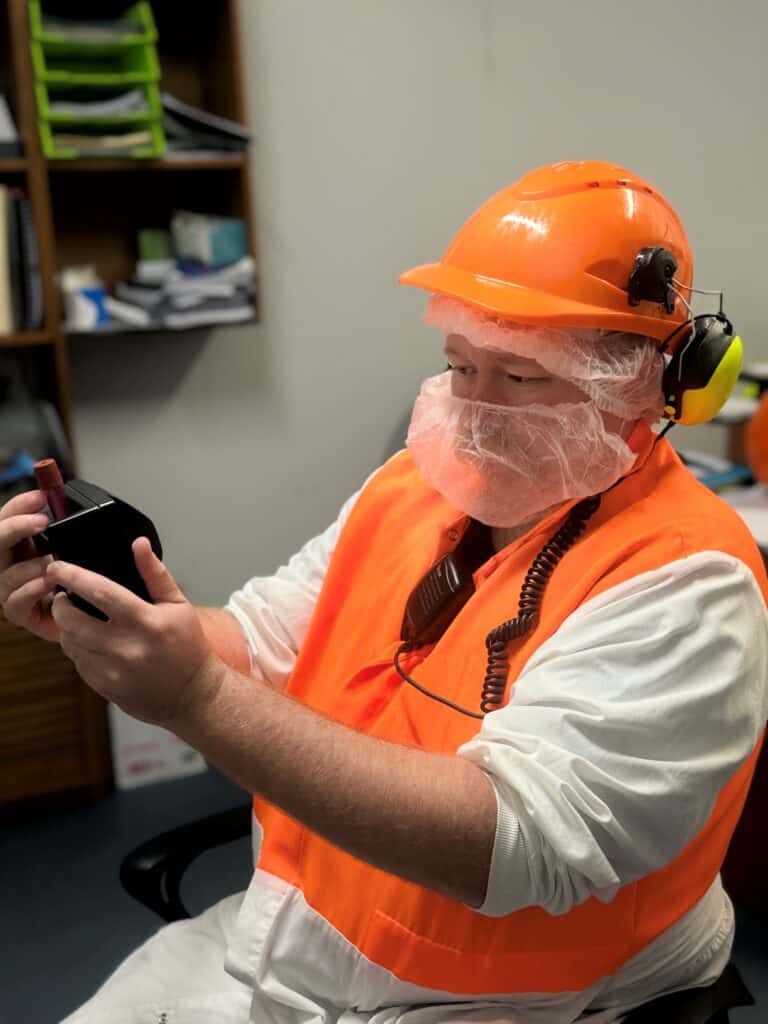
Quality Assurance
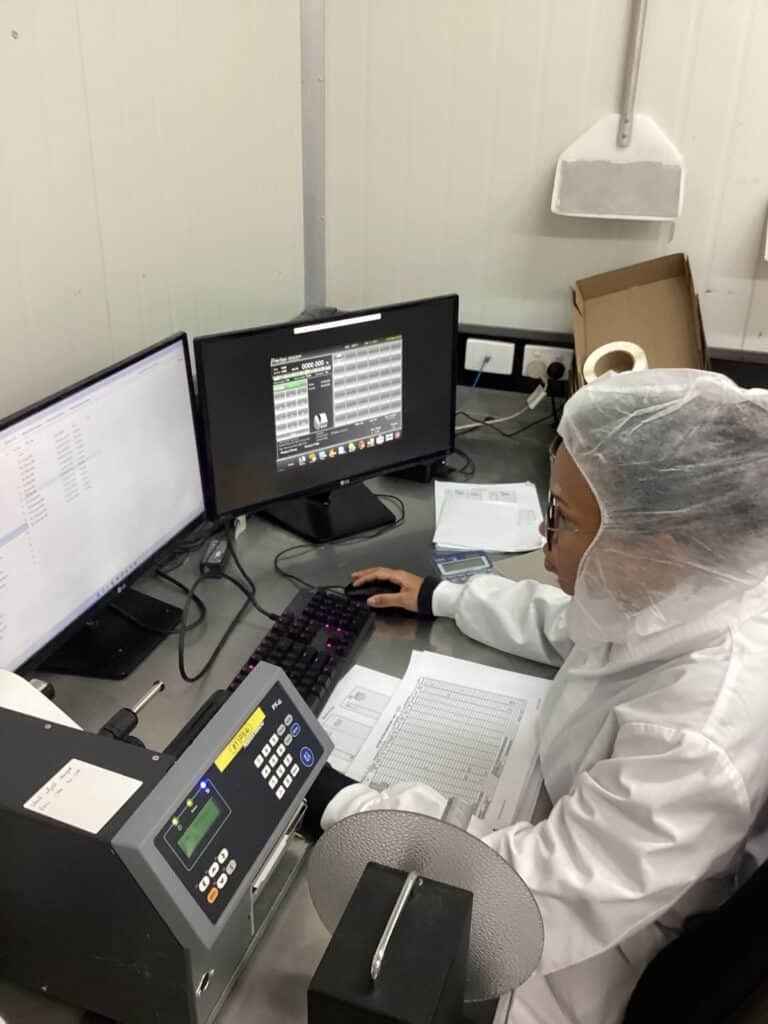
Data Analyst
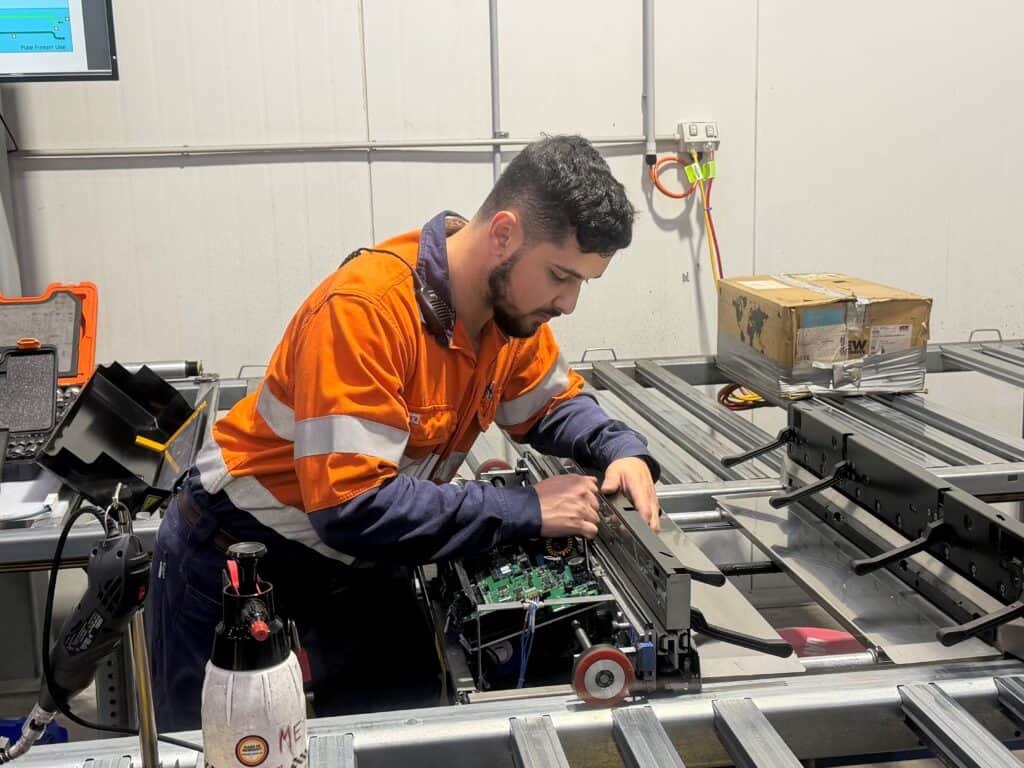
Fitter’s Apprenticeship
Corey started 15 years ago as floor personnel, went on to work across a number of areas including head wash, head chisel, knife operations and scales operation and for the past eight years has been in quality assurance.
Kamylly started six years ago in carton handling before moving through to chill packing and scales and is now a data analyst in the boning room.
Thailon’s first role in 2019 was as a whizz knife and he is now doing an fitter’s apprenticeship.
All credit the paid work experience program with setting them up perfectly and urge other school students to take a closer look at red meat processing and what it has to offer career-wise.
Since it kicked off in 2006, 172 students have taken part in the program at Oakey and for many it has translated into a career pathway.
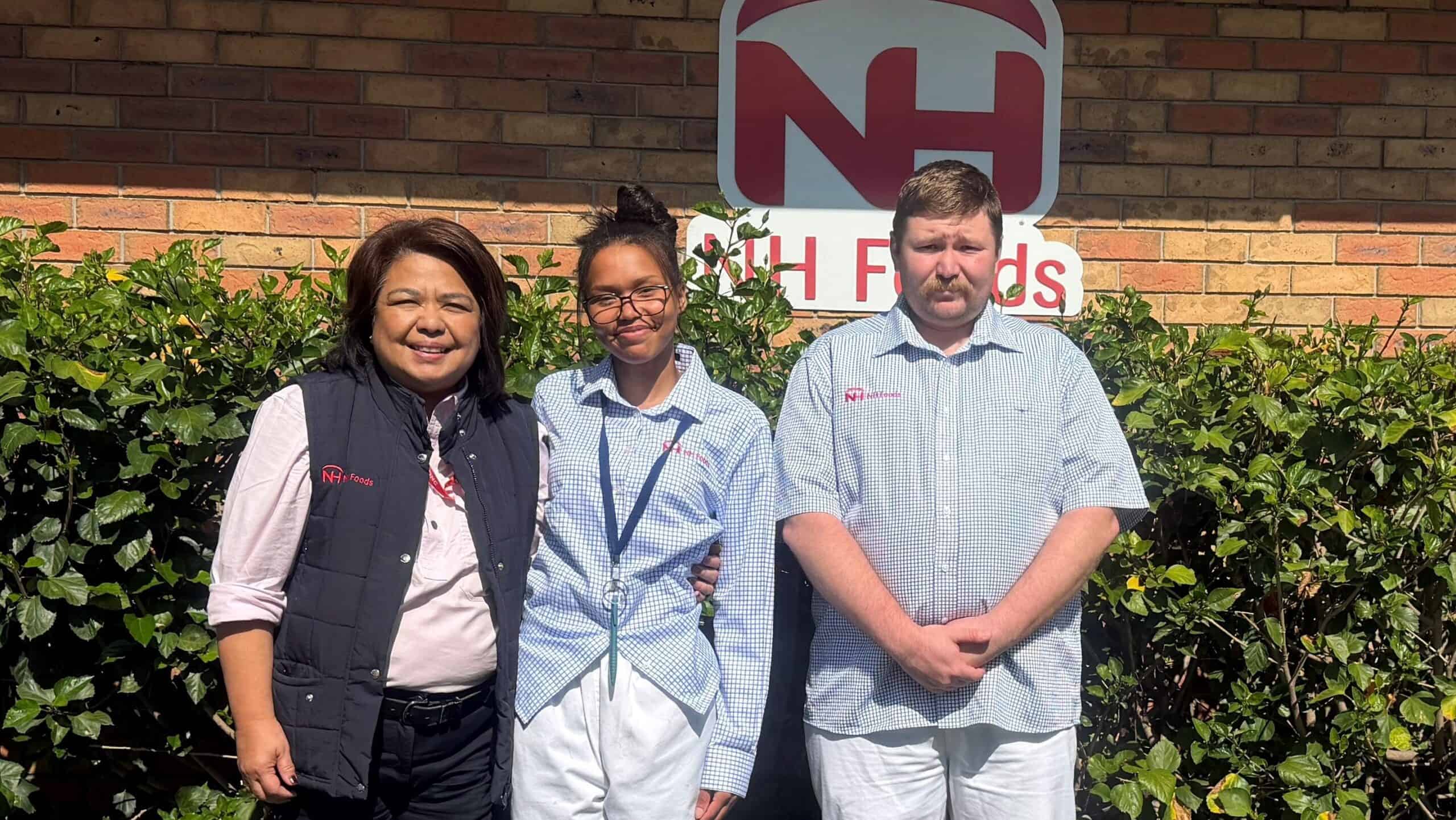
(Left to right) Isabel Malferrari, Kamylly Camilo, Corey McBride
It works on many levels, says human resource manager at NH Foods Oakey Isabel Malferrari.
“Located within a regional community such as Oakey, where a world-class processing plant is based, a paid work experience program offers several key advantages over voluntary roles,” she said.
“Students who are paid gain not only financial support but also experience real workplace expectations, such as meeting production standards, following strict safety and hygiene procedures and demonstrating reliability in a commercial environment.
“Being employed in a paid role within such a major industry also signals a higher level of trust and responsibility, which can strengthen future job applications.
“Students are more likely to receive structured training and feedback, helping them develop practical skills directly relevant to the local industry and improving their pathways into long-term employment within the community, and ideally with NH Foods at the Oakey plant as a talent pipeline for the group operations.”
David Miller, from the Human Resources Office at NH Foods Oakey said the program also contributed further afield than the processing sector.
“For the local Oakey community, this style of program strengthens workforce development by creating job-ready young people, supports local families via student income and helps sustain the regional economy by building a pipeline of skilled workers for one of its key industries,” he said.
Keep up with us on: